
The Importance of BLS Certification for Everyone

In emergencies, every second counts. Knowing how to respond effectively can save lives. Basic Life Support (BLS) certification equips individuals with the skills needed to provide immediate care in critical situations. This knowledge is not just for healthcare professionals; it is valuable for everyone. Understanding why BLS certification matters can empower you to act confidently and make a difference when it matters most.
Understanding the Importance of BLS Certification
BLS certification teaches essential life-saving techniques such as cardiopulmonary resuscitation (CPR), use of automated external defibrillators (AEDs), and relief of choking in adults, children, and infants. These skills are crucial because cardiac arrest and other life-threatening emergencies can happen anywhere - at home, work, or in public spaces.
Why is this important?
Cardiac arrest is a leading cause of death worldwide.
Immediate CPR can double or triple a victim’s chance of survival.
Early defibrillation significantly increases survival rates.
By becoming certified, you gain the confidence and competence to act quickly and effectively. This training bridges the gap between the onset of an emergency and the arrival of professional medical help.

How BLS Certification Benefits Everyone
BLS certification is not limited to medical personnel. It benefits a wide range of people including teachers, parents, coaches, office workers, and community members. Here’s how:
Increased Safety in Communities: More certified individuals mean more people ready to respond in emergencies, creating safer environments.
Workplace Preparedness: Many workplaces require BLS certification to ensure employees can handle emergencies, reducing workplace injuries and fatalities.
Confidence in Crisis: Knowing what to do reduces panic and hesitation, enabling swift action that can save lives.
Support for Vulnerable Populations: Caregivers and family members of elderly or chronically ill individuals can provide immediate assistance when needed.
For example, a teacher with BLS certification can respond effectively if a student suddenly collapses. Similarly, a parent trained in BLS can save a child from choking or cardiac arrest before emergency services arrive.
Practical Steps to Get BLS Certified
Getting certified is straightforward and accessible. Here’s a step-by-step guide to help you get started:
Find a Certified Training Provider: Look for accredited organizations offering BLS courses, such as the American Heart Association or local health departments.
Enroll in a Course: Courses typically last a few hours and combine hands-on practice with theoretical knowledge.
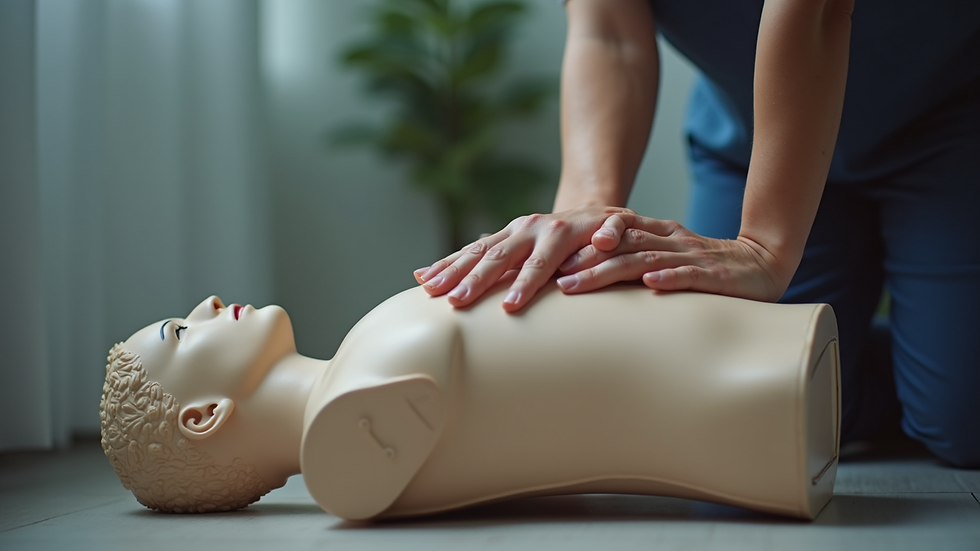
Complete the Training: Learn CPR techniques, AED use, and emergency response protocols through demonstrations and practice sessions.
Pass the Evaluation: Most courses require a practical and written test to ensure competency.
Receive Your Certification: Upon successful completion, you will receive a certificate valid for two years.
Many courses now offer blended learning options, combining online theory with in-person skills sessions, making it easier to fit training into busy schedules.
Real-Life Examples of BLS in Action
Stories of lives saved through BLS highlight its critical importance. Consider these examples:
A bystander performing CPR on a stranger who collapsed in a park, keeping them alive until paramedics arrived.
An office worker using an AED on a colleague experiencing sudden cardiac arrest, restoring their heartbeat.
A parent clearing a choking hazard from their child’s airway, preventing a fatal outcome.
These examples show that anyone trained in BLS can be a vital link in the chain of survival. The ability to act quickly and correctly can mean the difference between life and death.
Encouraging Widespread BLS Certification
To maximize the benefits of BLS certification, communities and organizations should promote widespread training. Here are some actionable recommendations:
Incorporate BLS Training in Schools: Teaching students these skills early builds a foundation for lifelong preparedness.
Offer Workplace Training Programs: Employers can provide regular BLS courses to employees, enhancing workplace safety.
Community Awareness Campaigns: Local health departments and nonprofits can organize free or low-cost training sessions.
Encourage Family Training: Families with members at higher risk of cardiac events should prioritize certification.
By making BLS certification accessible and routine, society can build a network of prepared individuals ready to respond in emergencies.
Taking the First Step Today
If you have not yet obtained your bls certification, consider enrolling in a course today. The skills you gain will empower you to save lives and contribute to a safer community. Remember, emergencies can happen anywhere, and your preparedness can make all the difference.
Investing a few hours in BLS training is a small commitment with a potentially huge impact. Whether at home, work, or in public, being ready to act is a responsibility and a gift to those around you. Start your journey toward certification and become a vital part of the chain of survival.


Comments